Oakland Psychiatric Facility Orderly, Orderly Support, Security, and Warden
Hold checkpoints, cuff troublemakers, answer riots, and keep lockdowns meaningful.
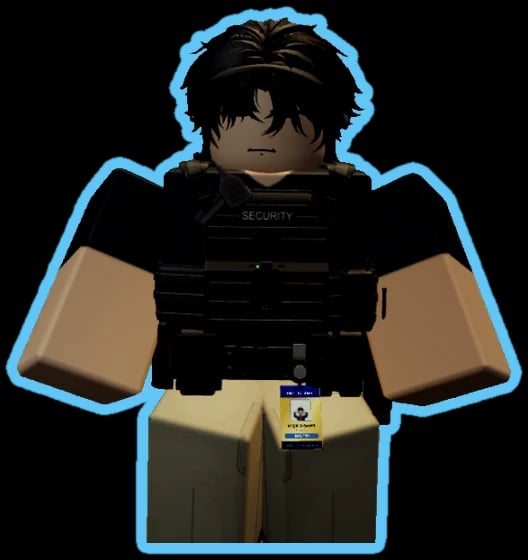
Facility control in Oakland Psychiatric Facility is a layered job, not a single badge. Orderly, Orderly Support, Security, and Warden share the burden of escorts, checkpoints, cuffs, riot response, keycard discipline, laptop tools, and lockdowns inside a 60-player Roblox asylum roleplay. This page explains how those four teams work together, how they should treat Patients and Visitors, and how to keep enforcement fun for both sides. For the full roster map see the Teams Hub. For the people you are containing, read Patients, Visitors, and Escapee. For the medics and crew who clean up after fights, read Medical and crew. New players should still skim Getting Started before their first staff shift.
The control fantasy
OPF sells two fantasies on the box: escape the asylum, or control the chaos. Control means more than winning fights. It means making the building feel supervised. A good Orderly walkthrough turns a loud corridor into a place where therapy can still happen. A sharp Security checkpoint makes Visitor entry feel real. A measured Warden call turns a messy riot into a lockdown people remember. If staff only chase kills, Patients stop planning clever escapes and the server becomes a brawl lobby.
Core systems you will touch constantly:
- Keycard doors — access is a story tool. Losing a card mid-scene should matter.
- Laptops — digital workflows support tracking, announcements, and crisis tools depending on your clearance.
- Lockdowns — use them when the facility state demands it, not as a default mute button for boredom.
- Proximity chat — give orders to the people in front of you; keep
/oocbrief; reserve/advertfor actual ads.
Injury simulation raises the stakes. Wounds, bleeding, and cardiac arrest mean a botched takedown can become a Medical Staff scene. Call medics instead of leaving bodies as props.
Orderly: day-to-day ward presence
Orderly is the hallway backbone. Escort Patients to appointments, keep lines moving, and de-escalate before Security needs a riot stack. Orderlies see the map the way Patients see it: repeated walks past the same doors, the same therapy rooms, the same choke points. That repetition is your advantage. Learn which routes are honest, which corners hide Escapee help, and which staff desks become magnets during credit rushes.
Orderly best practices:
- Narrate escorts. Tell the Patient where you are going and why.
- Use force in proportion. Cuffs and tools exist for threats, not for every sarcastic comment.
- Watch for FailRP on your own side. Staff who invent god-mode authority ruin trust.
- Hand off cleanly to Security when a scene leaves the ward loop and becomes a facility threat.
Official conduct notes warn Orderly Support (and by extension aggressive staff play) against killing people who were not a threat. Warnings and short job bans exist for a reason. Play the professional, not the deathmatch skin.
Orderly Support: surge capacity
Orderly Support exists because Patient counts spike and one escort line is not enough. Treat Support as surge capacity: reinforce busy wings, cover breaks, and stabilize scenes while primary Orderlies keep appointments alive. Support players should avoid stealing every spotlight arrest. The fantasy works when Patients still feel a consistent Orderly presence and Support arrives as backup.
When Support over-polices peaceful RP, Patients stop attending therapy and only log in to fight. When Support ignores real threats, Security inherits preventable riots. Balance is the skill.
Security: checkpoints, cuffs, riots
The Roblox description highlights Security escorting patients, running the checkpoint, cuffing troublemakers, and responding to riots. That is the clearest mechanical fantasy on the control side. Checkpoint work is social systems design: Visitors need a believable gate, staff need a filter, and escape attempts need a final contested space.
Security shift priorities:
- Checkpoint discipline — verify stories, watch for stolen access, and keep queues fair.
- Cuff timing — restrain when the RP justifies it; explain charges in character.
- Riot response — arrive with a plan, call Medical early, and separate leaders from followers when possible.
- Radio or laptop hygiene — share only what your character should know. Metagaming from Discord callouts is still metagaming.
Riots need a roleplay reason on the Patient side; they also need a roleplay answer on yours. Mass RDM from staff is as corrosive as mass RDM from Patients. Value your life if you are outnumbered, and do not combat log when a takedown goes wrong.
Warden: policy, authority, and lockdown judgment
Warden sits above routine hallway work. Use the role for policy calls, escalation authority, and lockdown judgment that other teams can respect. A Warden who never leaves the office becomes flavor text. A Warden who micromanages every cuff becomes another Orderly with a louder title. Aim for decisions that change the hour: authorizing a lockdown, clarifying engagement rules after a messy escape, coordinating Administration with Security after repeated breaches.
Warden scenes pair well with Administration when applications, appeals, or long-term facility culture matter. Keep punishments aligned with published rules: verbal warnings and kicks for minor FailRP or spam; job bans for staff misconduct; stronger action for RDM, team killing, exploiting, or hate speech.
Working with Medical and crew
Control teams create the injuries Medical Staff must solve. After a riot:
- Secure the room first, then make space for bandages, splints, ECG reads, and AED use.
- Do not stand on the patient the medic is treating.
- Tell Chef and Janitorial when a wing will stay closed so food and cleanup plans can adjust.
- Tell Maintenance if doors, power flavor, or access hardware need attention after a breach.
Those handoffs are documented on Medical and crew. Good security RP ends in a living facility, not a silent graveyard.
Playing against Patients and Escapees fairly
Patients are supposed to plan escapes. Escapees are supposed to help and cause chaos in character. Your job is to contest that fantasy, not erase it. If every attempt dies at spawn, people leave. If every attempt auto-wins because staff AFK at the checkpoint, the building feels fake.
Fair contest checklist:
- Give Patients room to attend meds and therapy before you assume every movement is a breakout.
- Investigate Visitor stories instead of denying all of them.
- Treat Escapee distractions as content, then dismantle them with coordination.
- After a successful staff win, allow Medical scenes and booking RP instead of instant mute.
Compare role strength chatter on the tier list, but remember OPF balance swings with who is online. A Security stack into a quiet ward plays differently than three Orderlies against a coordinated Patient-Escapee push.
Commands, community, and conduct
Use proximity chat for in-world orders. Use /ooc sparingly. Read the official rules thread linked from the experience description before you job-ban arguments in voice elsewhere. Community hubs for appeals and staffing culture include Discord discord.gg/psychiatry, forum forum.oaklandrblx.com, site oaklandrblx.com, and group 293645330. The game is published by Oakland Psychiatric Facility and backed by arbastro Inc.
Training plan for new control players
- One Orderly-only shift focused on escorts and calm de-escalation.
- One Orderly Support shift where you only reinforce, never spotlight-steal.
- One Security checkpoint hour with zero unnecessary force.
- One riot response with Medical called early.
- Shadow a Warden lockdown decision, then review what Patients experienced afterward via the Patients page.
Return to the Teams Hub when you rotate into Patient or crew play. The strongest control players know how a breakout feels from the other side, which is why reading How to Escape makes you better at stopping one.
Frequently Asked Questions
Quick answers for Patients, staff, and new OPF players.
What is the difference between Orderly and Security?
Orderly focuses on ward escorts and day-to-day presence. Security emphasizes checkpoints, cuffs, and riot response when the facility state escalates.
What does Orderly Support do?
Orderly Support reinforces busy wings and surge moments so primary Orderlies can keep appointments and hallway flow intact.
When should Warden call a lockdown?
When breaches, riots, or access failures make normal movement unsafe—not as a default response to boredom or a single argument.
Can staff RDM escape attempts?
No. Force needs a roleplay reason. Killing non-threats draws warnings and job bans under official conduct rules.
Where do control players learn the Patient side?
Read Patients, Visitors, and Escapee and How to Escape so your enforcement contests real strategies.